The business case for automated people analytics
Author
Demo Author
Date Published
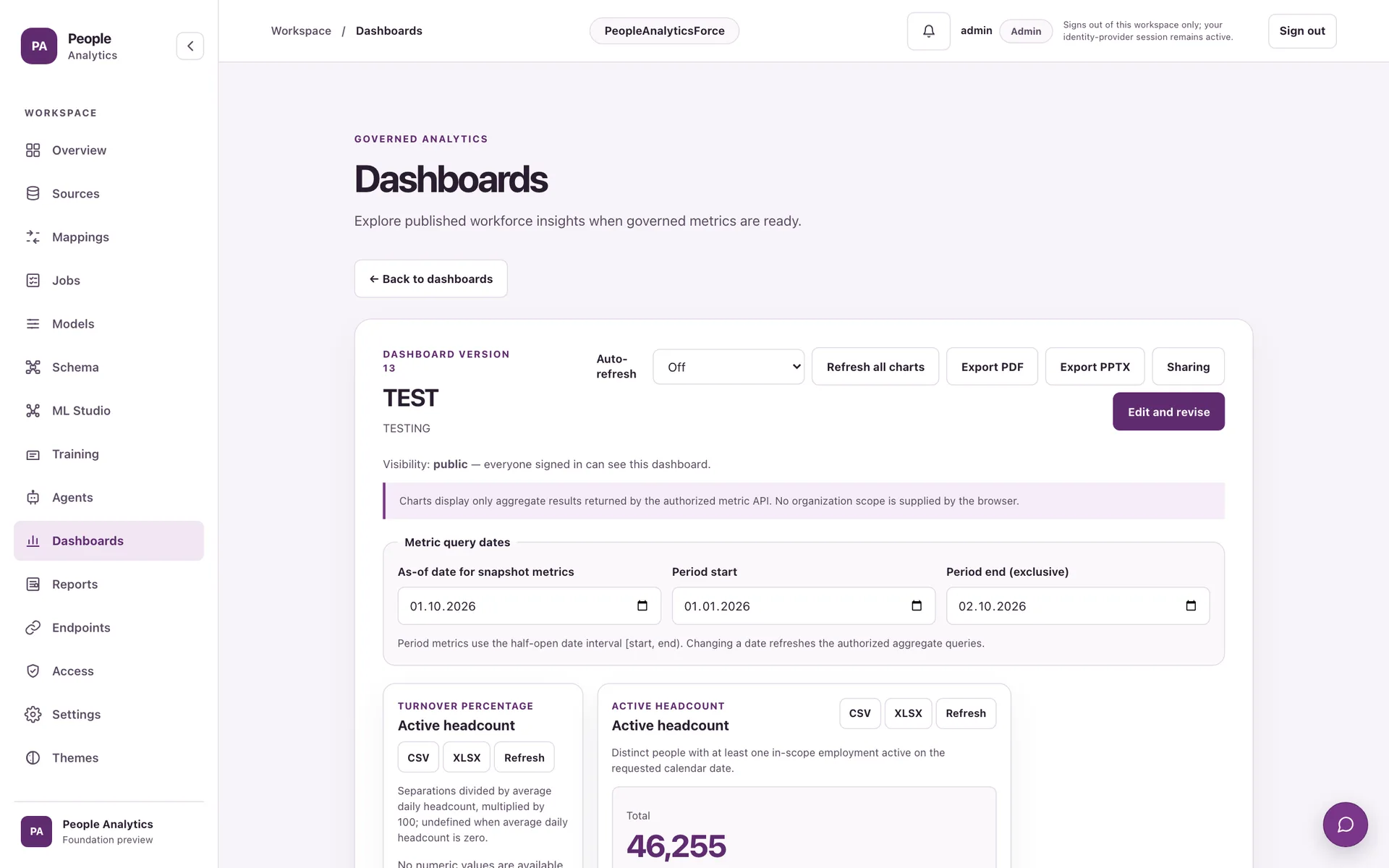
Every quarter, somewhere in your company, an HR analyst exports the same tables, reconciles the same mismatched columns and rebuilds the same board report by hand. The numbers arrive late, nobody fully trusts them, and the analysis that would actually change a decision never happens. This is the work automated people analytics eliminates.
Where the time actually goes
In most organizations, 70–80% of a people analytics effort is data plumbing: extracting from HRIS, ATS, payroll and survey tools; deduplicating employees who exist twice under different IDs; aligning fields that mean the same thing under different names. What remains for actual analysis is a fraction of the week — and it is always the first thing sacrificed when a deadline slips.
What automation changes
- Ingestion runs on schedule — connectors sync sources incrementally, no manual exports
- Reconciliation is systematic — a canonical model resolves identity, org hierarchy and events once, not per report
- Metrics are governed — headcount, attrition and cost carry one definition, computed the same way every time
- Reporting is delivered — dashboards publish on a cadence and export to PDF/PPTX without reassembly
- Exceptions surface themselves — validation rules and drift alerts flag bad data before it reaches a chart
Where the value lands
The ROI is not just recovered analyst hours — though reclaiming most of the reporting effort is the visible part. The deeper value is speed and trust: board questions answered in minutes instead of days, attrition risk flagged while it is still fixable, and a single set of numbers that HR and Finance stop arguing about.
Every wrong-headcount meeting has a cost. Every late signal on voluntary attrition in a critical role has a bigger one. Automation is how those costs stop being routine.
Where to start
Start with the report your team rebuilds most often — usually headcount and attrition. Automate that pipeline first, prove the numbers, then extend to forecasting and scenarios. Workforce Observatory is built for exactly this path; book a demo and we will map it to your stack.
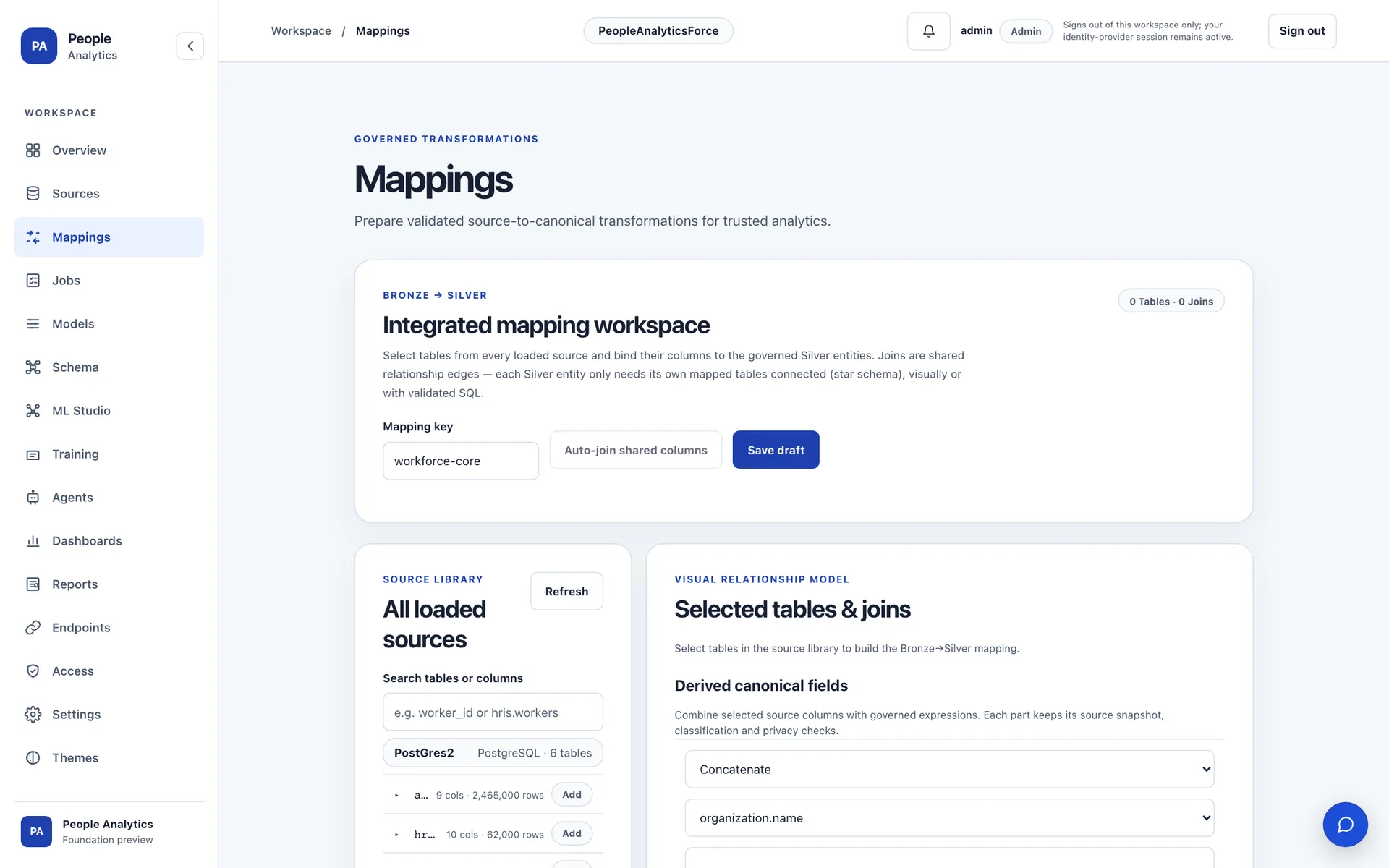
The monthly export-reconcile-rebuild ritual is automatable. How scheduled ingestion, governed metrics and published reports replace manual HR reporting.
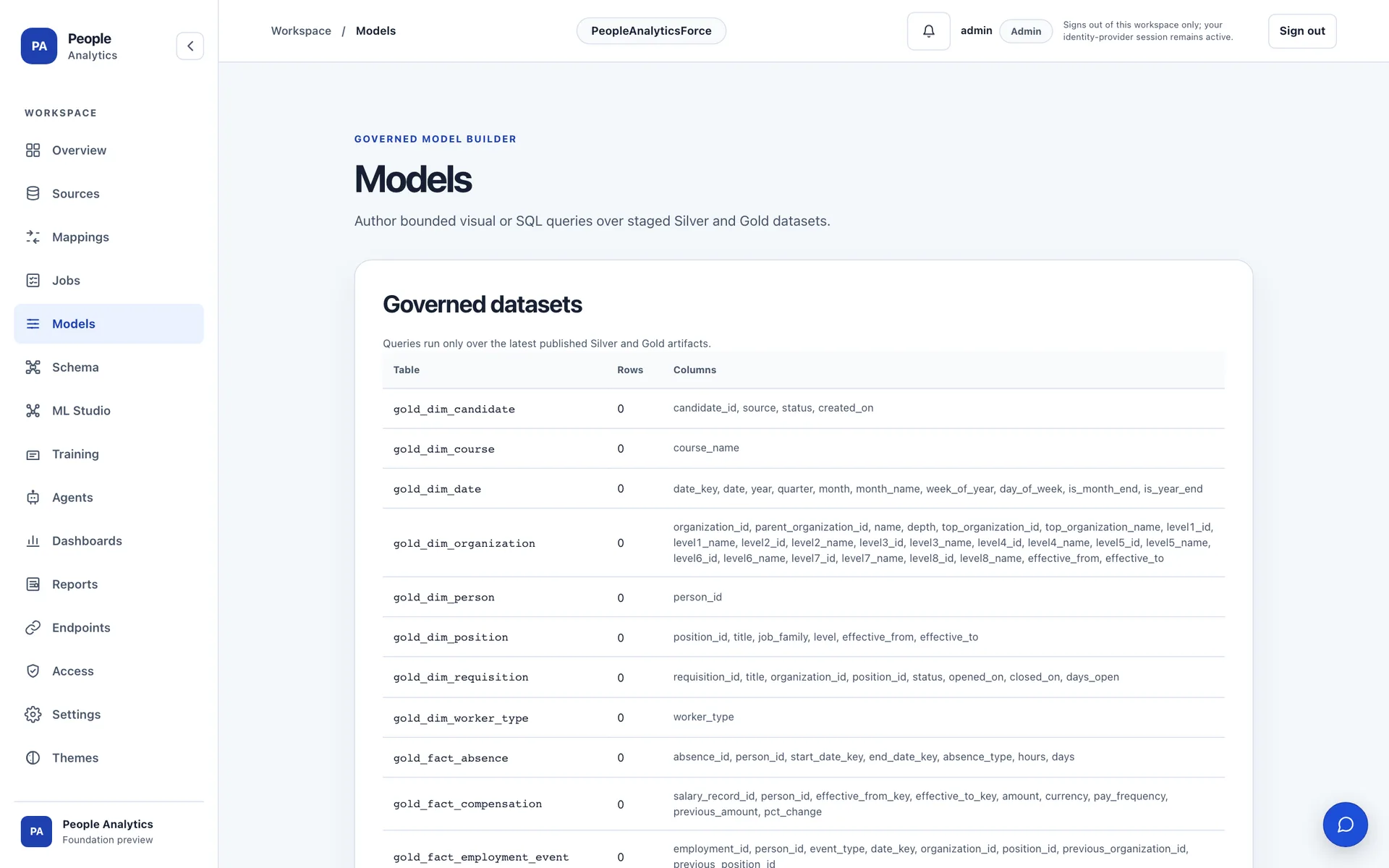
GDPR is not a ban on people analytics — it is a design requirement. How aggregation thresholds, role-based access and audit trails make workforce data safe to use.